Comforters are essential components of a restful sleep environment, offering lightweight warmth and insulative performance without bulk. This category highlights how fabric choices, warmth ratings, and fill types influence comfort across seasons, ensuring a balanced sleep climate. Understanding your preferred loft, droop, and washability helps select a comforter that complements your bedding setup, including sheets and pillows.
Fill materials such as down, down-alternative fibers, and cotton or wool blends contribute to warmth, moisture management, and durability. A memory foam pillows or organic mattress ecosystem may pair with certain comforters to maintain temperature neutrality and prevent overheating. By evaluating fill weight and construction, you can identify options that align with sleep goals and sensitivity to allergens.
Seasonal adaptability is a key feature of many comforters, with lightweight variants for warmer months and warmer options for cooler periods. Look for comforters with breathable fabrics like cotton shells and moisture-wicking inner cores, which support a comfortable sleep surface when used alongside breathable bedding such as pillow inserts and organic mattresses.
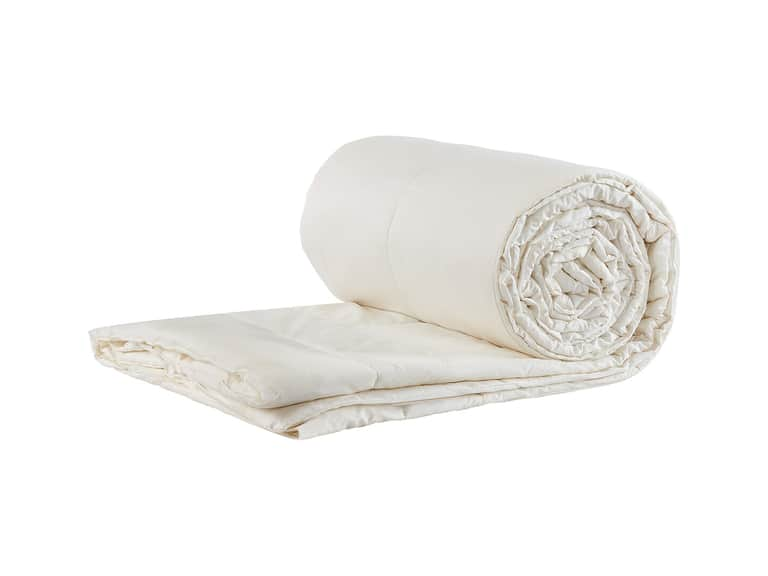
Product examples within this category, like Sleep and Beyond and myComforter, illustrate how design details translate to practical benefits: quilted patterns that distribute loft evenly, secure corner loops for duvet covers, and corner ties to maintain position in bed. These attributes contribute to consistent warmth, easy maintenance, and a tidy bed without compromising comfort or safety.
For comprehensive bedding ecosystems, consider how comforters interact with other essentials such as organic mattresses, memory foam pillows, and high-quality sheets. Evaluating fabric durability, washability, and allergy-friendly features helps enhance long-term comfort, sleep quality, and overall room harmony within a well-balanced bed setup.
 Bedding